
Finding a Home That Supports Your Whole Self

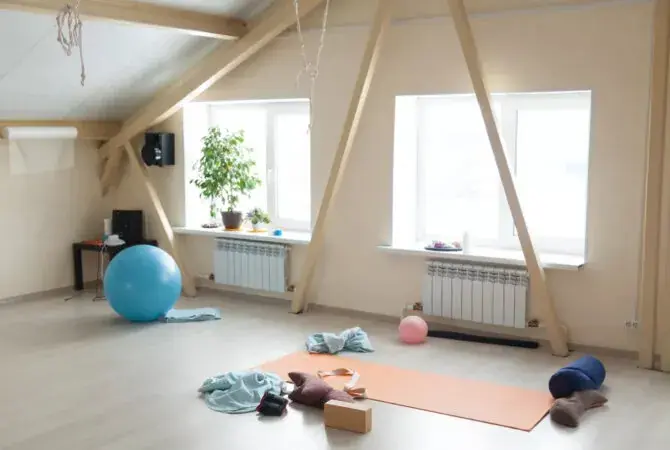
When most people search for a home, they think about square footage, school districts, and commute times. But what about how a home feels? How it supports your sleep, your movement, your mental clarity, and your connection to community and the natural world?
As a REALTOR® and wellness practitioner rooted in southern Rhode Island, I believe your home is one of the most powerful tools you have for your health. The right space doesn’t just shelter you — it restores you. Here’s how I help my clients think beyond the listing and find a home that truly supports their well-being.
1. Natural Light: Your Circadian Rhythm Will Thank You
Light is medicine. Exposure to natural light in the morning regulates your body’s internal clock, improves mood, boosts vitamin D, and supports better sleep at night.
When touring a home, notice the orientation. South-facing living spaces get the most consistent light throughout the day in New England. East-facing bedrooms invite gentle morning sun — a natural, screen-free alarm clock. Look at window size, window height, and whether neighboring structures or tree lines block light during key hours.
What to look for:
• Large windows in living and sleeping areas
• Skylights or solar tubes in interior spaces
• Minimal window obstruction
• Open floor plans that allow light to travel
2. Air Quality and Ventilation: What You Breathe Matters
Indoor air quality is often worse than outdoor air, yet we spend the majority of our lives inside. Mold, VOCs from paint and flooring, off-gassing furniture, radon, and poor ventilation are silent stressors on the body.
In older New England homes — and Rhode Island has many gorgeous ones — ask about insulation updates, HVAC age, and whether there’s been any history of water intrusion. Look for signs of moisture in basements and crawl spaces. Consider homes with operable windows on multiple sides for cross-ventilation.
What to look for:
• Fresh HVAC systems or heat pumps
• Whole-house ventilation or ERV/HRV systems (systems that keep fresh air circulating)
• Low-VOC finishes (chemicals that off-gas especially when new)
• No signs of mold or moisture
• Proximity to green space (trees and vegetation filter outdoor air naturally)
3. Connection to Nature and the Outdoors
We are not meant to live disconnected from the natural world. Research consistently links access to green space, water, and nature with reduced cortisol (the stress hormone associated with chronic diseases) lower blood pressure, and improved mental health.
Living near the coast, the bay, or one of Rhode Island’s state forests or land trust trails isn’t just a lifestyle preference — it’s a wellness strategy. A home with a yard, a garden bed, mature trees, or even a view of water invites you outside daily.
What to look for:
• Proximity to trails, beaches, or parks
• Outdoor living spaces (decks, patios, screened porches)
• Yard potential for gardening
• Water views or water access
• Neighborhood walkability
4. Space for Movement and Hobbies
A wellness-oriented home creates opportunity for movement throughout the day — not just a dedicated workout room. Think about layout flow, ceiling height, and whether the home gives you room to stretch, practice yoga, dance in the kitchen, set up your paints, or play music.
A bonus room, finished basement, or sunlit spare bedroom can double as a home studio without a single renovation.
What to look for:
• Flexible open spaces or separate dwelling
• High ceilings (especially for movement and yoga)
• Finished bonus rooms or lower levels
• Private outdoor spaces suitable for outdoor workouts
• Proximity to walkable routes
5. Quiet Zones and Restorative Spaces
Chronic noise is a genuine health stressor. Traffic noise, thin walls, and open-concept layouts that carry sound throughout the home can erode sleep quality and make it difficult to decompress.
Look for homes where the primary bedroom is set back from the street. Pay attention to insulation quality, window thickness, and lot positioning. Consider how the layout allows for solitude — a reading nook, a back porch, a room with a door you can close.
What to look for:
• Primary bedroom away from street noise
• Thick walls and good insulation
• Private outdoor areas buffered by landscaping
• Separate spaces for retreat and rest
• Lot depth and natural sound buffers
6. Kitchen Design for Nourishing Living
If you’re someone who prioritizes clean eating, meal prep, or a whole-foods lifestyle, the kitchen is not just an aesthetic feature — it’s a functional health space. Counter space, storage, natural light, and a layout that makes cooking enjoyable directly impact whether you cook at home consistently. Let’s not overlook your social well-being – if you are one to entertain and inviting friends and family in for food and merriment – don’t overlook the kitchen!
What to look for:
• Ample counter space
• Good natural light over work surfaces
• Storage for pantry staples and supplements
• Space for appliances that support your lifestyle (juicers, air fryers, dehydrators)
• Proximity to a garden or herb bed
• Open floor plan to mix cooking and socializing
7. Community and Social Wellness
Wellness is not only physical. Loneliness and disconnection are among the strongest predictors of poor health outcomes. The neighborhood around your home shapes your social life more than almost any other factor.
Rhode Island’s coastal communities offer something rare: a strong sense of place, intergenerational community, and an active culture of outdoor gathering, local markets, and volunteer organizations.
What to look for:
• Walkable neighborhoods with gathering places (coffee shops, town greens, farmers' markets)
• Access to community organizations
• Neighbors outside on walks and porches
• Proximity to faith communities, yoga studios, and wellness spaces
8. Spiritual Wellness: Finding Your Community of Faith
For many people, spiritual health is the foundation everything else rests on — and where you live shapes your ability to nurture it. Whether you’re searching for the right place of worship or spiritual community, or simply looking for like-minded people who share your practices and values, proximity and fit matter.
When exploring a new area, notice what faith and spiritual communities exist nearby. Visit some! Shopping for your tribe is not just okay – it’s the only way to discover what’s a good fit. Rhode Island’s coastal towns have a quiet richness here — from centuries-old churches to Buddhist sanghas to Quaker meeting houses that have gathered for generations. Your spiritual home deserves the same care in your search as your physical one.
What to look for:
• Places of worship or spiritual communities within a comfortable distance
• Active community calendars
• Meditation or contemplative groups
• Recovery fellowships
• Interfaith gatherings
Bringing It All Together
No home will check every box. But when you approach your search with wellness as a lens — not just a wish list — you start to see properties differently. A home with afternoon light, a yard for morning walks, and a quiet street near the water isn’t just a nice house. It’s an investment in how you feel every single day.
Be well always, Kristy



Comments